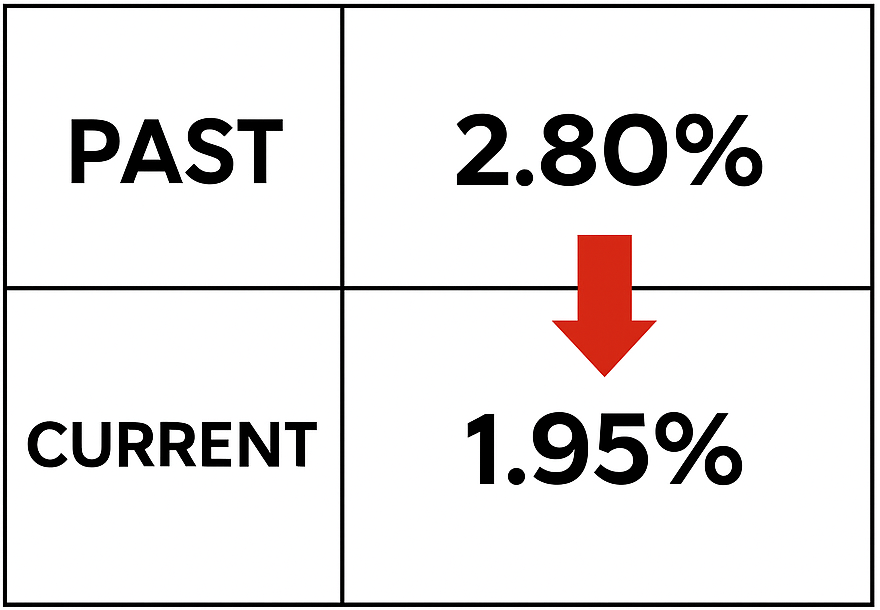

Thinking of switching up your home loan? You’re not alone. With changing home loan rates in Singapore, more homeowners are asking the big question: Should I refinance or reprice my home loan?
Both options can help you save money on interest — but they work differently. One keeps you with the same bank, the other moves you to a new one. The tricky part? Knowing which one’s better for your situation.
This quick guide will walk you through the difference, the pros and cons, and how to choose the right move — without the stress.
What’s the Key Difference Between Repricing and Refinancing?

Not sure whether to reprice or refinance your home loan in Singapore? You’re not alone. These two terms often get thrown around together — but they’re very different moves with very different implications.
Let’s break it down clearly and simply so you can make the smart choice for your mortgage.
How repricing works with your existing bank
Repricing means switching to a new home loan package — with the same bank. You don’t need to change banks, reapply, or go through legal paperwork.
Here’s how it usually works:
- You apply directly to your current bank
- You’ll be offered a new rate (fixed or floating)
- A one-time admin fee is charged (typically $300–$800)
- No valuation or legal fees involved
- Processing is fast — usually within 2 to 4 weeks
✅ Best for homeowners who want a quick, no-fuss interest rate reduction without switching lenders.
What changes when you refinance to another lender

Refinancing, on the other hand, means moving your home loan to a different bank. This is more involved, but can often save you more in the long run.
Here’s what’s different:
- You’ll need to apply like a new customer (income docs, CPF history, credit checks)
- Legal and valuation fees apply (around $2,000–$3,000)
- Lock-in periods may restart
- Banks often offer cash subsidies to offset costs
🏦 It’s a good move when other banks offer significantly better mortgage rates — especially when you’re out of your current lock-in.
Main differences in fees, effort, lock-ins, and flexibility
Below is a quick summary table comparing the key factors between repricing and refinancing:
Side-by-Side Comparison: Repricing vs Refinancing in Singapore
| Feature | Repricing (Same Bank) | Refinancing (Different Bank) |
|---|---|---|
| Application | Internal request | New full application |
| Fees | ~$300–$800 (admin fee) | ~$2,000–$3,000 (legal + valuation) |
| Processing Time | 2–4 weeks | 1–2 months |
| Lock-in Period | May reset | Typically restarts |
| Subsidies Available | Rare | Common (up to $2,000+) |
| Effort Level | Low | High |
| Savings Potential | Moderate | High |
💡 Expert Tip: If you’re not sure which route gives you the best deal, use our mortgage loan repayment calculator to compare total costs over the next 3–5 years.
Which Option Saves You More — Repricing or Refinancing?

When it comes to lowering your home loan interest rate in Singapore, both repricing and refinancing can offer savings. But which one actually gives you more value? That depends on your financial goals, how much effort you’re willing to put in, and how long you plan to stay in the property.
Let’s break it down.
When repricing gives you better value for less hassle
Repricing works great if you:
- Prefer to stay with your current bank
- Want to avoid legal fees or paperwork
- Are nearing the end of a lock-in period
It’s often faster and cheaper. In fact, some banks waive admin fees or offer free conversion for existing clients. This makes repricing ideal for HDB or condo owners who just want a no-fuss way to lower interest.
✅ Pro tip: Some banks even auto-offer lower rates at lock-in expiry — but you should always compare what other banks are offering before saying yes.
When refinancing results in higher long-term savings

Refinancing is more effort upfront, but the savings can be substantial — especially if:
- A competitor bank is offering a rate at least 0.3–0.5% lower
- You’re not tied to a lock-in period
- You qualify for cash rebates or legal subsidies
Many lenders offer subsidies up to $2,000 for legal and valuation fees. If you’re unsure how this process works, this step-by-step guide to refinancing your HDB loan breaks it down clearly — from cost estimates to approval timeline.
Refinancing also gives you flexibility: you can switch to a different loan tenure, interest type (e.g. fixed vs floating), or even restructure ownership.
How to compare costs, subsidies, and breakeven points
Before making a decision, do a side-by-side breakdown:
- Interest rate difference (new vs old)
- Admin/legal fees
- Subsidies received
Breakeven timeline — how long it takes for savings to cover the cost
Estimated Cost Comparison: Repricing vs Refinancing
| Item | Repricing (Same Bank) | Refinancing (New Bank) |
|---|---|---|
| Admin Fee | $0 – $500 | $0 – $200 |
| Legal Fees | None | ~$2,000 (can be subsidised) |
| Valuation Fee | None | ~$150 – $300 |
| Subsidies Available | Rare | Yes, up to $2,000+ |
| Processing Time | 1–3 weeks | 4–8 weeks |
| Lock-in Risk Reset | No | Yes |
| Potential Rate Savings | Moderate | Higher (if bank rates differ) |
📌 Reminder: Use our mortgage loan repayment calculator to simulate your new monthly repayment and breakeven timeline.
How to Know Which One Is Right for You

Choosing between repricing and refinancing your home loan isn’t just about interest rates — it’s about what fits your lifestyle, your long-term plans, and your comfort level with switching. Here’s how to figure out which path suits you better.
Factors like loan amount, tenure, and property type
Your current loan details make a big difference:
- Large loan amount (>$400K): Refinancing usually saves more due to compounding effect over time.
- Short remaining tenure (<5 years): Repricing might be enough — you may not recover the cost of refinancing.
- Property type: If it’s an HDB flat, you may qualify for simpler, subsidised repricing options. Private or condo loans often have more flexibility for switching banks.
💡 Tip: Use a mortgage broker in Singapore to quickly compare rates across banks — they’ll tell you if your loan size justifies refinancing.
Your financial plans: keeping, selling, or upgrading

Think about your timeline:
- Staying long-term (5+ years): Refinancing could save you the most in total interest.
- Selling or upgrading soon: Repricing might be better since it avoids lock-in resets and clawbacks.
- On the fence: Look at break-even timing — if refinancing savings won’t kick in before you sell, it’s not worth it.
⏳ Example: If you’re planning to sell in 2 years, but refinancing only breaks even in 3 years, you lose money.
Your comfort with paperwork, switching banks, and risk
Let’s be honest — not everyone wants to deal with forms, legal lingo, or bank visits. So ask yourself:
- Do I mind switching to another bank?
- Am I okay with new lock-ins and terms?
- Do I prefer minimal admin?
If yes, refinancing could be worth the hassle. If no, repricing keeps things simple.
🔎 Still unsure? Check if your bank has a promo — DBS home loan promotions sometimes offer sweeteners even for repricing clients.
What to Watch Out for Before Making the Switch

Before jumping into a home loan switch — whether repricing or refinancing — you’ll want to zoom in on the fine print. Many Singapore homeowners rush in for the lowest interest rate and overlook clauses that end up costing them more in the long run. Here’s how to avoid common traps and make the smartest move.
Lock-in periods, clawbacks, and hidden costs
Not all home loans are created equal. Most packages — especially those with sweet promotional rates — come with:
- Lock-in periods (typically 2–3 years)
- Clawback clauses for legal subsidies or valuation waivers
- Admin or discharge fees when you switch early
If you break your contract before the lock-in ends, you might face:
- 2–3% penalties on your outstanding loan
- Forfeiture of cash rebates or subsidies
- Out-of-pocket legal/valuation costs
💡 Tip: Check your loan letter of offer. Or speak to a mortgage broker in Singapore who can decode the legal terms for you before you commit.
Common mistakes that cost borrowers thousands

Here are the top oversights we’ve seen — and they’re more common than you’d think:
- Repricing without comparing bank promotions
- Refinancing too soon after taking a loan (triggering penalties)
- Ignoring fixed vs floating rate dynamics (especially SORA changes)
📌 Some homeowners reprice every year without checking if they qualify for free conversion, paying unnecessary admin fees over time.
How to time your move for maximum benefit
The golden window for switching?
✅ When you’re 6 months from the end of your lock-in
✅ When SORA rates dip or other banks launch rate promotions
✅ When you’ve built up more CPF/loan repayments (giving you better valuation-to-loan leverage)
⏰ Don’t wait until your rate has already spiked. Start exploring options early and use a mortgage loan repayment calculator to estimate your potential monthly savings.
What’s the Best Way to Take Action?

Once you’ve decided whether to reprice or refinance, it’s time to get moving — but smartly. Whether you’re switching banks or staying with your current one, the steps can be simple if you know where to look, what to ask, and how to avoid delays.
Steps to reprice with your bank the smart way
Repricing sounds easy — and it can be. But to make the most of it:
- Call your bank’s mortgage team and request current repricing offers.
- Ask if you’re eligible for a free conversion or waived admin fee.
- Compare between fixed and floating options (watch out for lock-ins).
- Negotiate — yes, you can! Banks may match competitor rates.
- Sign the repricing form and receive a revised loan letter.
📝 Pro tip: Use your knowledge as leverage. For example, refer to this step-by-step guide to refinancing your HDB loan — even if you’re just repricing, knowing the refinancing process strengthens your position in negotiations.
Steps to refinance through a bank or broker

Switching banks means a few more moving parts — but with bigger potential rewards.
Here’s what to expect:
- Step 1: Compare loan offers across banks — or use a Singapore mortgage broker to do it for you.
- Step 2: Get an Approval-in-Principle (AIP) with your preferred lender.
- Step 3: Sign legal documents (you’ll need a law firm appointed by the bank).
- Step 4: The new bank disburses funds to redeem your existing loan.
- Step 5: Your new monthly repayment kicks in!
💬 Expert tip: Most banks offer legal and valuation subsidies for refinancing — but always double-check clawback conditions.
Tools to compare, calculate, and make the right choice
Before you make any decision, it’s crucial to run the numbers. Here’s a quick table of helpful tools that can guide your planning.
Tools to Compare Home Loan Rates and Calculate Your Monthly Savings
| Tool | What It Helps You With |
|---|---|
| Mortgage Loan Repayment Calculator | Estimate your new monthly repayments accurately |
| BSD Buyer Stamp Duty Calculator | Check if stamp duties apply to your home switch |
| Online bank rate comparison platforms | See live home loan rates side-by-side |
| Mortgage broker consultation | Get expert help comparing offers and managing paperwork |
With the right tools, you won’t just guess what’s better — you’ll know.
Conclusion: Reprice or Refinance — What’s Right for You?

Choosing between repricing or refinancing your home loan comes down to your goals, timeline, and risk appetite.
- Want a quick rate cut without switching banks? Repricing is easier and less paperwork.
- Found a lower rate elsewhere and planning to stay long-term? Refinancing could save you more overall.
Before deciding, always check your lock-in period, fees, and use tools like our mortgage loan repayment calculator to estimate savings. Or talk to a mortgage broker in Singapore for tailored advice.
✅ The smarter move isn’t just about the lowest rate — it’s about the best fit for your future.