
Divorce is tough — and if there’s a home loan involved, it can get messy real fast.
Who keeps the flat? Can you take over the mortgage? What if your ex won’t cooperate?
If you’re trying to figure out what happens to your home loan in Singapore after a divorce, this guide is for you. We’ll break down how refinancing works, what your options are, and how to move forward with clarity — one step at a time.
Let’s keep it simple.
What Divorce Means for Your Existing Home Loan

Dividing property during a divorce is rarely straightforward — especially in Singapore, where your home is usually your biggest financial commitment.
If both your names are on the flat, they’re probably on the loan too. That means even if the relationship ends, your housing loan in Singapore doesn’t automatically follow suit. You’re still legally tied to that mortgage — until you actively do something about it.
This is where many Singaporeans start to explore refinancing after divorce — whether it’s to take over the home, remove an ex from the loan, or simply find a better package to move on independently.
Let’s break it down.
Are both parties still liable after separation?
Yes — and this surprises a lot of people.
Even if you’ve moved out or filed for divorce, you’re both still fully responsible for the monthly mortgage. The bank (or HDB) doesn’t care who stays in the flat — they only care that the loan is paid. If your ex stops paying, and your name is still on the loan? You’re on the hook.
💡 Expert tip: “Until your name is officially removed from the mortgage or the loan is refinanced into one name, both parties are 100% liable — no matter what’s agreed privately.”
In some cases, this shared liability drags on for months (or years) while couples negotiate who should keep the home. And all the while, your mortgage loan in Singapore continues to rack up interest.
Can you take over the loan without selling the property?

Yes, you can — but it’s not automatic.
Taking over the mortgage typically means refinancing the home loan into your sole name, whether it’s with a bank or through an HDB ownership transfer. But for that to happen, you must prove you can service the loan alone. That means passing income assessments like:
- Total Debt Servicing Ratio (TDSR) for private properties
- Mortgage Servicing Ratio (MSR) for HDB flats
- CPF usage and available Ordinary Account balance
- Any existing financial commitments
If you don’t meet the criteria, you may not be allowed to take over the loan — and in that case, selling the flat might be the only option left.
2025 Eligibility Checklist: Can You Take Over the Home Loan Alone?
| Refinancing Eligibility Criteria in Singapore (2025) | Key Requirement |
|---|---|
| Minimum income requirement | Depends on loan quantum and MSR/TDSR cap (typically ~$3.5k–$6k/month) |
| Age and loan tenure cap | Max loan tenure up to age 65 (banks); HDB capped at 25–30 years |
| Credit score & existing debt | Must meet TDSR (55% of gross monthly income) |
| Property ownership structure | Must be able to transfer title to sole name |
| CPF Ordinary Account balance | Enough to cover monthly repayments or required CPF refunds |
💬 Tip: Use a tool like the mortgage loan repayment calculator to estimate your monthly instalments before applying for refinancing.
Refinancing Into Your Name Only — What You Must Know

Once the divorce is settled (or nearly there), the next big decision is whether you can — or should — refinance the home loan into your sole name.
This isn’t just about updating names. You’re basically applying for a brand-new mortgage loan in Singapore, on your own this time. The bank or HDB will need to reassess your affordability from scratch — and the rules in 2025 are not exactly lenient.
Let’s look at what it really takes.
What are the bank requirements in 2025?
If you’re planning to refinance your home loan in Singapore, here’s what lenders typically look at in 2025:
- Your monthly income
Most banks expect a stable income that can meet either:
- TDSR cap of 55% (for bank loans)
- MSR cap of 30% (for HDB flats)
- TDSR cap of 55% (for bank loans)
- Remaining loan tenure
Loan tenure can’t exceed age 65 (banks), or 25–30 years (HDB loans). - Credit history
A good credit score is essential — any missed payments will hurt your case. - Outstanding CPF usage
If your ex used CPF for the house, you’ll likely need to refund their CPF before the flat can be transferred fully to your name. - Property valuation
The property’s market value determines how much you can refinance.
💡 Pro tip: If you’re unsure whether you qualify, it’s worth speaking to a mortgage broker in Singapore for a quick eligibility check — without committing to a bank yet.
What documents do you need to prepare?

Before applying to refinance the loan, get these documents ready:
- Latest Notice of Assessment and payslips
- Divorce certificate or court order (if issued)
- CPF statements (for both you and your ex, if CPF was used)
- Current loan statement and outstanding balance
- Property valuation (often arranged by the bank)
🔗 Need to check your monthly loan commitment? Use the mortgage loan repayment calculator to estimate.
Can you remove your ex from the loan without refinancing?
Unfortunately, no — not if you’re dealing with a bank loan.
In Singapore, removing a co-borrower from a mortgage loan requires a full refinance of the home loan. Even if both parties agree and the divorce is finalised, banks won’t just “strike off” a name. They need to reassess the entire loan in your name only.
If you’re on an HDB loan, things are slightly more flexible. HDB may allow a name change through ownership transfer, but CPF refunds and eligibility checks still apply.
💬 Bottom line: If you’re keeping the flat, refinancing is the cleanest and most official way to move forward.
When You Can’t Refinance — What Are Your Options?

Let’s be real — not everyone qualifies to refinance right away.
Maybe your income isn’t high enough. Maybe the bank says no. Or maybe your ex is making things unnecessarily difficult. Whatever the case, not being able to refinance your home loan after a divorce doesn’t mean you’re stuck forever — but it does mean you’ll need to consider other paths.
Here’s what you can do if Plan A doesn’t work out.
What if your income doesn’t meet TDSR/MSR limits?
In Singapore, banks have to follow strict limits:
- TDSR (Total Debt Servicing Ratio): Capped at 55% of your gross monthly income
- MSR (Mortgage Servicing Ratio): Capped at 30% for HDB flats
If your salary doesn’t meet those limits, your refinance application may be rejected — even if you’ve been paying the loan diligently all this while.
What can you do?
- Lower your loan amount by using more CPF or cash
- Get a guarantor (banks are picky, but it’s possible)
- Refinance to a longer loan tenure if you’re still within age limits
- Wait and build your income for 6–12 months, then reapply
💡 Tip: Some homeowners mistakenly try to stretch their budget with a short-term fix. It’s better to be conservative and check affordability using a mortgage loan repayment calculator before you commit.
What if your ex refuses to cooperate?

This is more common than most people think.
If your ex co-owns the property but refuses to sell, transfer, or sign refinancing documents, the loan stays in both names. Even if they’ve moved out — or stopped paying — you’re both legally stuck in this limbo.
Here are your options:
- Negotiate through a lawyer or mediator to get written agreement
- Apply for a court order to take over the property or sell it
- File for contested divorce (if not done yet) with property terms included
🧠 Remember: Banks can’t remove your ex from the mortgage without their consent — unless it’s ordered by the court.
What are the legal fallback options?
If all else fails, the legal route might be the cleanest.
In many divorce cases, the Singapore courts can:
- Order the property to be sold on the open market
- Force a transfer of ownership if you qualify for the loan alone
- Handle CPF refunds as part of the property settlement
Sometimes, selling is the most straightforward option — especially if neither party can meet refinancing requirements. After the sale:
- The outstanding mortgage is paid off
- CPF used by both parties is refunded
- Any extra proceeds are split per court ruling
If you plan to apply for an HDB flat after selling, check your eligibility under the HDB home loan or the Single Singapore Citizen Scheme.
Key Rules for Refinancing HDB Loans After Divorce

If you and your ex co-own an HDB flat, one of the biggest questions after the split is: Can I keep the flat and refinance it under my name? The answer depends on a mix of HDB eligibility rules, CPF considerations, and whether you qualify for a fresh HDB or bank loan on your own.
Let’s walk through the key conditions to help you make sense of what’s possible — and what’s not.
Who can retain the flat under HDB rules?
HDB doesn’t just let one party “take over” the flat casually. You need to meet their criteria before you can refinance the HDB loan or transfer ownership.
Here’s what HDB typically requires:
- You must be a Singapore Citizen
- You must have legal custody of children (if any), or qualify under the Single Singapore Citizen Scheme
- The Minimum Occupation Period (MOP) must be met
- You must be able to refinance the loan on your own (either with HDB or a bank)
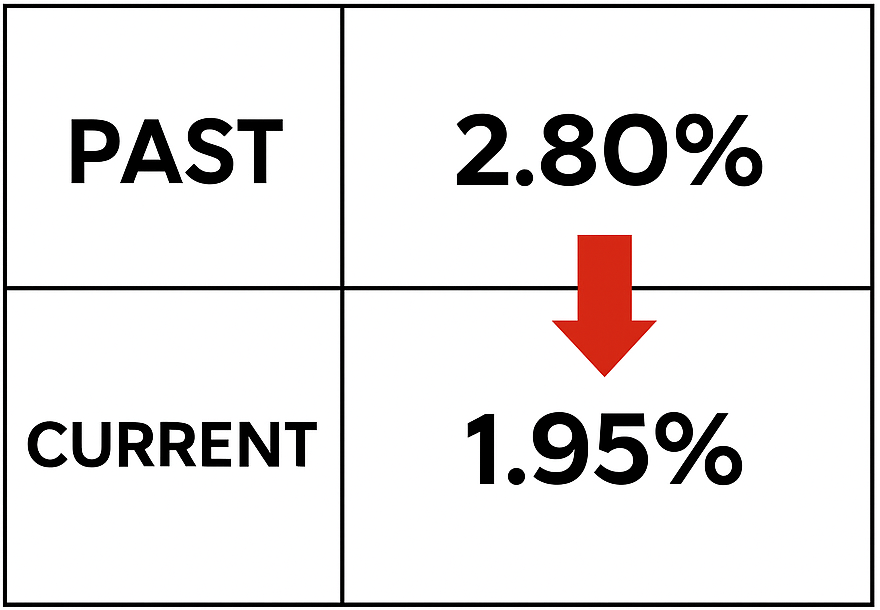
📌 If you’re planning to keep the flat and switch out of your HDB loan, explore your options for a refinance HDB loan to potentially get lower interest rates than the fixed 2.6% offered by HDB.
Also, remember: once the transfer is done, your ex-spouse must be removed from the ownership records — and they typically won’t be eligible to buy another subsidised flat for 30 months.
How do CPF refunds and grants affect refinancing?

This is one part many people forget — but it can seriously affect your finances.
When you take over the flat, you’re often required to refund the CPF monies your ex used to pay for the flat (including the accrued interest). This refund usually goes back to your ex’s CPF Ordinary Account.
At the same time, if you received CPF housing grants as a couple, you may need to return a portion of it, especially if the flat is sold within the Minimum Occupation Period or if ownership is transferred early.
💡 Before signing anything, check how much CPF you’ll be required to refund. You can estimate this using HDB’s portal, or get an accurate breakdown during the refinancing process.
If you can’t cover the full refund with cash or CPF, you may have to top up the difference — or explore a bank loan for HDB refinance to stretch the payments over a longer tenure.
Final Checklist to Refinance Successfully in 2025

If you’re planning to refinance your home loan after divorce, getting it right from the start can save you weeks of stress — and possibly thousands in interest.
Whether you’re taking over an HDB loan or refinancing a bank mortgage, here’s what to do to smooth the process, avoid rejections, and move on confidently.
Steps to get approval faster
Want to avoid back-and-forth with the bank or HDB? Get your paperwork in order first:
- 💼 Prepare your income documents (NOA, payslips, CPF contributions)
- 📄 Secure a court order or divorce deed if ownership transfer is involved
- 🏠 Request a property valuation to know your loan-to-value (LTV) ratio
- 🧾 Print your latest loan statement and CPF usage history
💡 Use this mortgage loan repayment calculator to check if you can afford the new loan based on 2025 rates.
Tip: For HDB cases, always confirm you’ve hit your Minimum Occupation Period (MOP) and meet refinancing rules. Otherwise, your application may get stuck.
When to speak to a mortgage broker

Here’s the truth: refinancing after divorce is not a normal refi case.
You’re dealing with legal paperwork, CPF refunds, bank requirements, and possibly a non-cooperative ex. This is when a mortgage broker in Singapore becomes invaluable — especially one who understands refinancing HDB or private property loans post-divorce.
Why it helps:
- They compare rates from banks like DBS, UOB, or OCBC
- Help with paperwork (especially legal or CPF-related cases)
- Advise on timeline, bridging loans, or CPF top-ups
🔗 Get expert help through a Singapore mortgage broker to save time and avoid costly delays.
Common refinancing mistakes to avoid
Let’s wrap up with some hard-earned advice. These are mistakes that derail many post-divorce refinancing cases in Singapore:
- ❌ Assuming your name can be removed from the loan without refinancing
- ❌ Forgetting CPF refund obligations
- ❌ Applying before resolving legal ownership issues
- ❌ Using your divorce settlement as a “proof” — banks only accept legal transfers
- ❌ Not checking your income against current TDSR/MSR thresholds
If you’re unsure where to begin, don’t wing it. Speak to a pro, compare packages, and start with clarity.
Conclusion: Don’t Let the Home Loan Hold You Back

Divorce is emotional enough — your mortgage shouldn’t be the thing that keeps you stuck.
Whether you’re keeping the flat, taking over the loan, or figuring out your next steps, refinancing is possible. You just need to know the rules, prep the right documents, and work within HDB or bank guidelines.
And honestly? You don’t have to figure it all out alone.
✅ Compare rates
✅ Ask the tough CPF questions
✅ Get expert help before making a big move
When you’re ready, speak to a mortgage broker in Singapore who’s helped other divorcees do exactly what you’re doing now.
Your fresh start doesn’t have to wait.